- Suspense
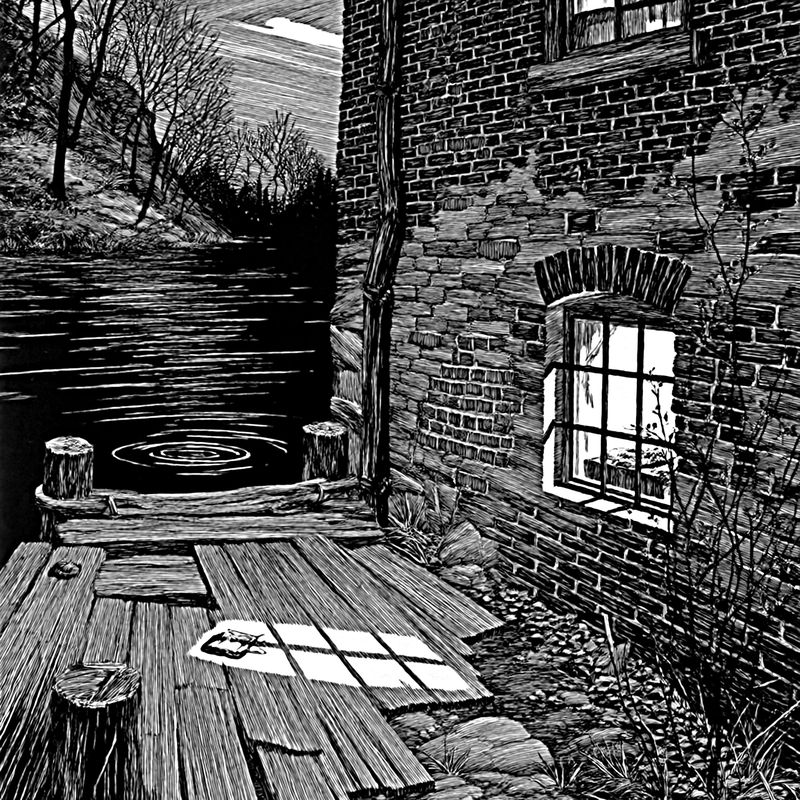
- Sustained supernatural suspense appears throughout: lake mists, midnight lofts, mountain river squalls, dark institutional attics, train trestle edges, deep acoustic vibrations, dense fog banks, shadowy boulders, and murky lake water.
- Threats
- Child protagonists face sudden river squalls in kayaks, near-falls over gorge drop-offs, peer dares near isolated boulders, disorienting fog in small watercraft, and eerie underwater machinery hazards.
- Violence
- Violence is non-graphic. The manuscript includes sudden gusts rocking boats, tripping and stumbling on gravel trails, flashlight drops, and creaking timber stresses. No graphic wounds or bodily harm occur.
- Death
- No child protagonist dies on the page. The stories reference historical deaths: an epidemic in 1918, seventeenth-century postpartum illness, the 1867 Angola train wreck, institutional patients who passed away decades ago, and sunken colonial military bateaux.
- Language
- No profanity was found in the reviewed manuscript. Mild character teasing and realistic peer dialogue appear in non-abusive contexts.
- Sensitive topics
- Historical family separation, epidemic grief, colonial witchcraft accusations and social panic, mental health institutional history, disaster remembrance, peer pressure and nighttime dares, and environmental safety near deep water and railroad structures.