East Hampton, Suffolk County · Chapter 2 Companion
Goody Garlick and the 1658 East Hampton Witchcraft Trial
Discover the documented history of Elizabeth 'Goody' Garlick, accused of witchcraft in colonial East Hampton in 1658 and fully acquitted in Hartford, thirty-four years before Salem.
Evidence at a Glance
- Documented history
- Town Records of East Hampton (Volume 1) preserve verbatim depositions taken in February 1658 before magistrate Lion Gardiner following the death of his daughter, Elizabeth Gardiner Howell.
- Reported folklore
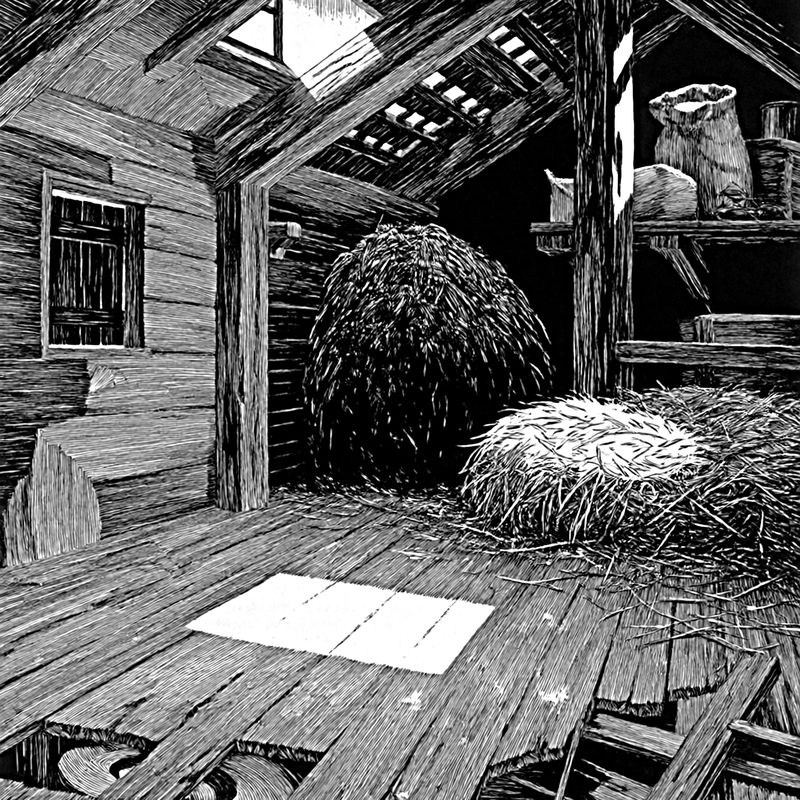
- Local Long Island lore embellished the case over centuries, claiming nocturnal weaving in mill lofts, cattle curses, and unearthly voices in colonial barns.
- Unverified
- All supernatural accusations—such as shapeshifting, nocturnal curses, or demonic pacts—were rumors stemming from colonial grief, postpartum fever, and neighborhood disputes.
What the legend says
Long Island legend claims that Elizabeth 'Goody' Garlick was a terrifying witch whose loom operated without hands in the lofts of East Hampton, casting blights over crops and causing sudden fatal illnesses among colonial cattle and infants.
Earliest credible accounts
The actual events were meticulously transcribed in February 1658 into the East Hampton Town Records. Elizabeth Gardiner Howell, the 16-year-old daughter of prominent settler Lion Gardiner, became delirious with fever following childbirth and cried out that Goody Garlick was at the foot of her bed.
Documented historical context
At the time, East Hampton was under the legal jurisdiction of the Connecticut Colony. Rather than holding a panic-driven trial locally, the East Hampton town court prudently referred the case across Long Island Sound to the General Court of Magistrates in Hartford, presided over by Governor John Winthrop Jr., an educated alchemist and jurist who required rigorous physical evidence. In May 1658, the Hartford court acquitted Goody Garlick and warned the townspeople against malicious gossip, returning her safely to her home.
Conflicting versions
Nineteenth-century gothic retellings often confused East Hampton with the 1692 Salem trials, falsely alleging that Garlick was executed or driven out, whereas official town records show she lived peacefully in East Hampton with her husband Joshua for decades after.
What remains unverified
Modern medical historians attribute Elizabeth Howell's tragic delirium to puerperal fever (septic infection following childbirth), which was tragically common in seventeenth-century settlements.
How the fiction adapts the material
In Chapter 2, 'The Loom in the Loft,' young mill apprentice Jonah Hale investigates strange nighttime sounds in the Gardiner mill loft, discovering how colonial fear and peer suspicion can turn harmless everyday occurrences into terrifying rumors.
Sources
- Records of the Town of East Hampton, Long Island, N.Y., Vol. 1 (1639–1679), Sag Harbor: John H. Hunt, 1887.
- Connecticut State Archives: Records of the Particular Court and Court of Magistrates (1638–1663), Hartford, CT.
- Demos, John Putnam. Entertaining Satan: Witchcraft and the Culture of Early New England. Oxford University Press, 1982.
- East Hampton Historical Society: Gardiner Family Papers and colonial settlement surveys.