Churchville, Monroe County · Chapter 1 Companion
The Blue Lady of Hidden Lake: Rochester-Area Water Apparitions and Local Archives
Examine the folklore of the Blue Lady of Hidden Lake in Monroe County, the regional Lady in White traditions of Lake Ontario, and the real historical records behind local ghost tales.
Evidence at a Glance
- Documented history
- Churchville was incorporated in 1852 in the Town of Riga along Black Creek. Vital statistics, census rolls, and county court ledgers document real nineteenth- and early-twentieth-century family separations and legal guardianship disputes.
- Reported folklore
- Campfire tales describe a woman in blue wandering near lake shores and old boarding houses searching for a child lost in 1918.
- Unverified
- No contemporary 1918 documents substantiate an unrecorded drowning or spectral sightings at Hidden Lake. Ghostly apparitions remain unverified oral lore.
What the legend says
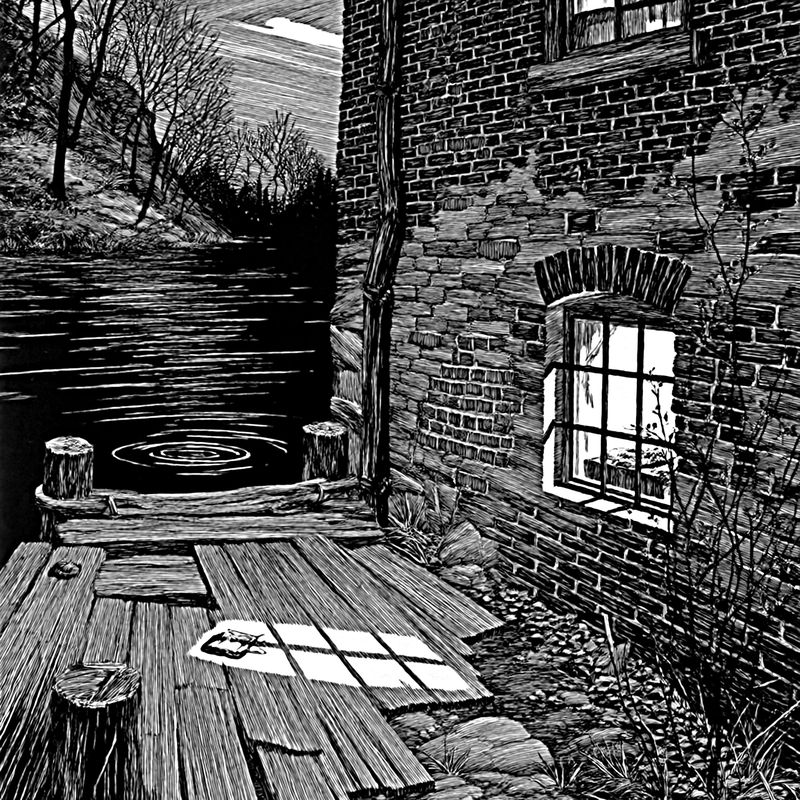
According to western Monroe County oral tradition, a ghostly woman in an old-fashioned blue dress walks near secluded docks and shoreline willows at twilight. Campfire versions claim she was a mother who lost her daughter during the 1918 influenza epidemic and still searches the water, her lantern glowing faintly across the mist.
Earliest credible accounts
The story belongs to a widespread family of western New York 'White Lady' and 'Blue Lady' apparitions recorded in Rochester-area newspapers and folklore collections throughout the late nineteenth and twentieth centuries, most notably around Durand-Eastman Park and Lake Ontario shorelines.
Documented historical context
Churchville developed around mills on Black Creek in the early nineteenth century. During the 1918 influenza pandemic and the post-World War I period, local county welfare boards and village boards handled numerous orphan and foster placements. County records show that children were frequently placed into state-arranged homes, sometimes without full family reconciliation, leaving real paper trails of sadness that later generations mythologized into ghost stories.
Conflicting versions
Some accounts describe the figure as a gentle, protective spirit that steers wanderers away from steep drop-offs; other campfire versions portray her as a sorrowful omen of cold autumn fog.
What remains unverified
There is no physical or historical evidence of supernatural activity. Furthermore, archival surveys of Monroe County coroner reports from 1918 to 1928 reveal no record of a mother and child drowning at Hidden Lake itself.
How the fiction adapts the material
In Chapter 1 of Hometown Horror Stories: New York, 'The Blue Lady of Hidden Lake,' seventh-grader Sophie Brennan investigates the town legend. Instead of encountering an evil spirit, she uncovers town ledger records proving that the supposed ghost was based on a real girl separated from her mother in 1918, finding closure through historical truth.
Sources
- Monroe County Historical Society archives: Churchville and Riga municipal incorporation records (1852–1920).
- Rochester Public Library, Local History & Genealogy Division: Western New York regional folklore clippings and lake ghost surveys.
- New York State Department of Health: Vital Statistics and influenza epidemic reports for Monroe County (1918–1919).