Angola, Erie County · Chapter 5 Companion
The Angola Horror: The 1867 Rail Disaster and the Phantom Trestle Light
Investigate the historic 1867 Angola Horror rail disaster over Big Sister Creek in Erie County, rail safety reforms, and the enduring local legend of the phantom lantern light.
Evidence at a Glance
- Documented history
- On December 18, 1867, the Lake Shore and Michigan Southern Railway's New York Express derailed on the bridge over Big Sister Creek in Angola, NY, killing 49 passengers in one of the worst rail disasters in nineteenth-century America.
- Reported folklore
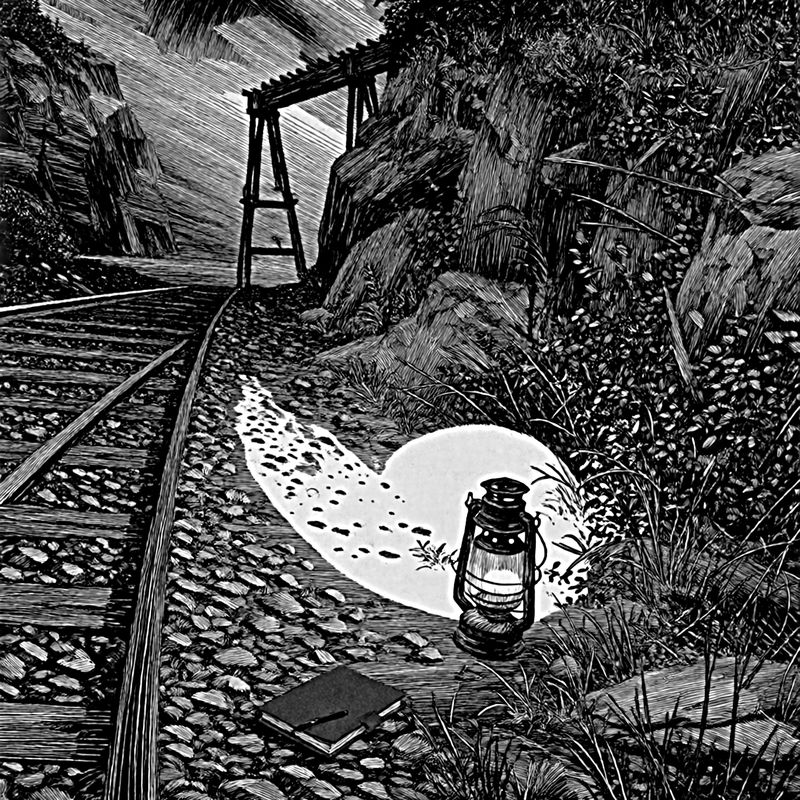
- For over a century, local Erie County lore has told of a spectral yellow lantern swinging along the edge of the creek gorge on cold December nights, signaling approaching trains to stop.
- Unverified
- No eyewitness has ever produced photographic or physical verification of a supernatural warning light; sightings reflect optical reflections, nocturnal inspections, or storytelling tradition.
What the legend says
Local western New York lore claims that on bitter winter evenings, a lone lantern light swings slowly in three wide arcs over the lip of Big Sister Creek gorge in Angola. Legends say it is the lantern of a heroic railroad watchman who died trying to flag down a doomed train and still waves his warning to travelers who approach the treacherous drop.
Earliest credible accounts
The tragic basis occurred on December 18, 1867, when a flawed wheel axle on the last coach of the Lake Shore and Michigan Southern Railway express derailed just east of the Angola depot, pulling the rear coaches thirty feet down into the frozen ravine. Overheated wood-burning stoves ignited the wreckage, claiming 49 lives.
Documented historical context
The 'Angola Horror' provoked nationwide outrage and fundamentally transformed American rail travel. High-profile coverage by Buffalo reporter Mark Twain and public hearings led directly to the abandonment of dangerous car-heating stoves in favor of steam radiators and catalyzed the mandatory adoption of George Westinghouse's automatic air brake.
Conflicting versions
Some regional accounts describe the light as a ghostly warning preventing modern hikers from slipping on the icy slate ledges, while older rail stories claimed it was an evil will-o'-the-wisp trying to lure people off the bridge.
What remains unverified
State railroad commission records, coroner inquests, and cemetery records at Angola Cemetery fully detail the catastrophe, leaving no need for supernatural invention to appreciate its gravity.
How the fiction adapts the material
Chapter 5, 'The Light at the Lip,' follows seventh-grader Leo and his friends exploring near the Big Sister Creek trestle. When a yellow glow appears near a dangerous embankment edge, they follow it and avoid a sheer hidden drop, discovering that history's warnings can be life-saving.
Sources
- Vogel, Charity. The Angola Horror: The 1867 Train Wreck That Shocked the Nation and Transformed American Railroads. Cornell University Press, 2013.
- Buffalo Express and Buffalo Commercial Advertiser: December 1867 – January 1868 disaster reporting and inquest coverage.
- Erie County Historical Society: Angola Village archives and rail safety exhibits.